Lower back pain
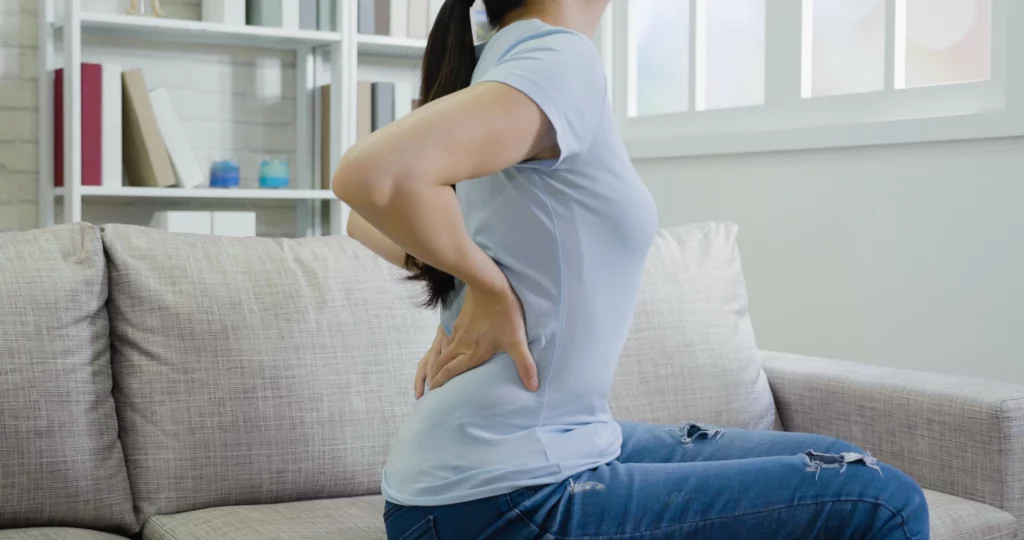
Lower back pain or pain in the lumbar spine, can stop us in our tracks but with the right treatment it is possible to address this effectively. There are a number of reasons why you may have a sore back.
These are the little joints between each one of the vertebra (bones in your spine), which can cause pain if they are stiff or the muscles around them are in spasm. There are nerves that come out from the spinal cord at each facet joint, and these can get irritated.
Irritation of the discs between each vertebra can also cause pain and may be irritated due to alignment of the spine, or standing and sitting positions. A disc protrusion, where the disc can press on the spinal cord or nerve root, can usually be managed with physiotherapy, although onward referral may be needed.
The sacro-iliac joints (SIJs) are the joints at the back of the pelvis. These can be sore if the pelvis is out of alignment, or if the SIJs are too stiff or too loose. You can also get pain in the SIJs due to a leg length difference, which can give pain all through the lower back.
After working out why you may have tight and sore muscles in the back, these can respond really well to manual therapy, stretches and strengthening exercises.
Sciatica or sciatic nerve pain can give you pain in the buttock and all the way down the leg. There are a number of causes for this- disc irritation, reduced mobility of the nerve as it passes through the buttock and the leg, tight buttock muscles, over stretching the nerve and poor lumbar and pelvis alignment.
This may be related to your back and be due to irritation of the nerve root (where the nerve leaves your spine). This can often be released with mobilisation of the joints and nerve roots, and advising on how to improve your posture if necessary.
This is a serious condition that occurs when the group of nerves right at the end of the spinal cord are damaged. Symptoms can include pain in one or both legs, low back pain, lower limb weakness, numbness between the legs and the saddle area, and loss of sexual function or bladder and bowel control. This requires urgent medical attention and investigation and you should go to Accident and Emergency.
How do we help you get back on the road to recovery?
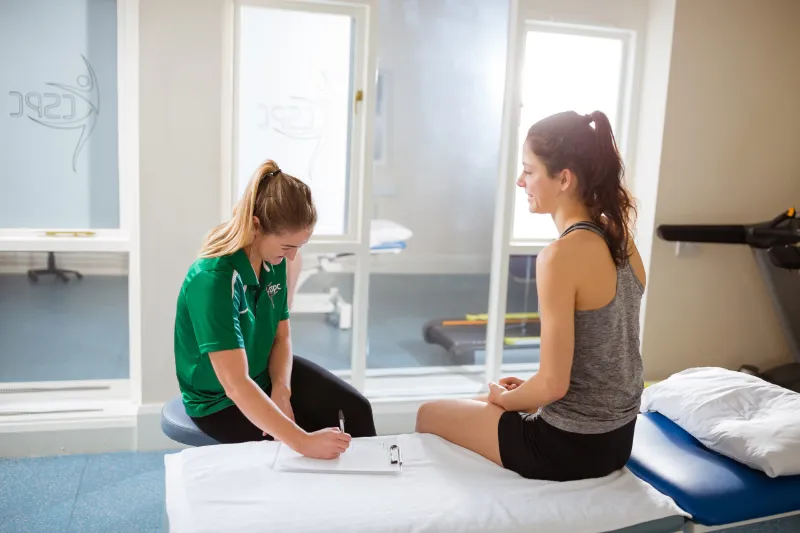
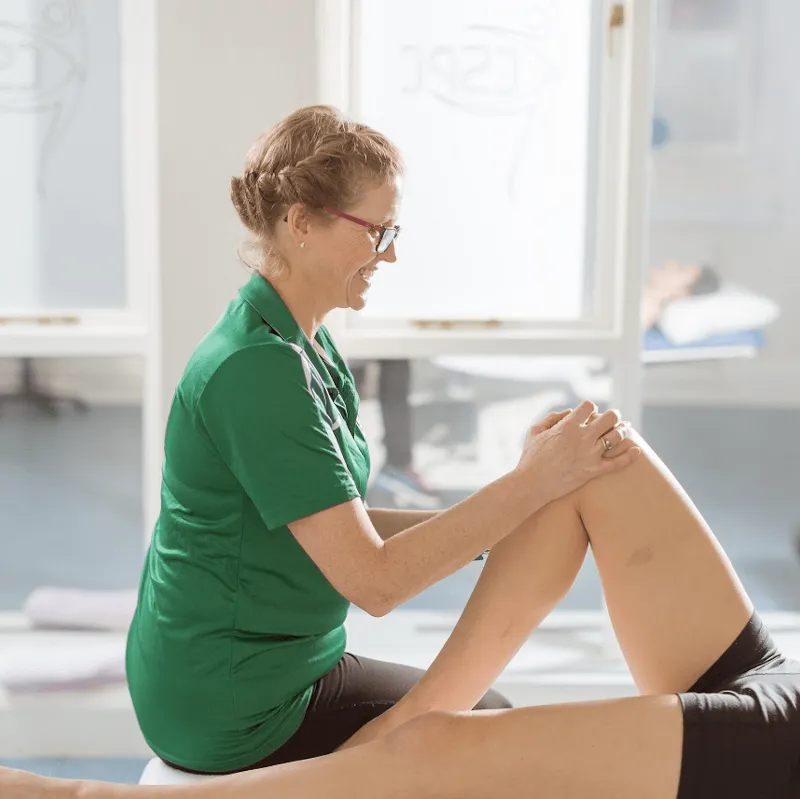
Here at CSPC we treat your back pain by assessing the way you move and the alignment of your back and pelvis. Your physiotherapist will assess your nerve and joint mobility and flexibility of the muscles attaching onto the pelvis, along with your muscle strength. If they feel there is something that needs medical attention, they will advise you on this.
The physiotherapist will take a thorough case history and work out the best plan for you. Treatment can include
- Pelvis realignment and lumbar spine mobilisation
- Nerve mobilisation
- Manual therapy
- Soft tissue treatment, strengthening and stretching advice
- Specific and focused home exercises
- Taping
- Referral to podiatry if necessary for leg length assessment and biomechanical analysis
- Onward referral for imaging or consultants if required (self-funded or via private medical insurance or a letter to your GP)
To book an appointment, please call reception on 0113 2750606
MEET THE TEAM
Constantly challenging ourselves to be the best
We are dedicated to continually training, challenging and developing ourselves to ensure we are at the leading edge of our profession. The best practices are constantly evolving and Alison leads the internal training at the clinic, working with the team, in small groups and individually ensuring that all staff provide the same high standards of care. All members of CSPC staff also attend regular external training. Many of these courses are run at the clinic with external educators to further expand our knowledge and experience.
GET IN TOUCH
If you have any questions, are ready to book an appointment or are planning your trip to see us then you’ll find all the information you need below.
See why patients
love CSPC Physiotherapy
"Amazing physios! I started coming here when they were located in Leeds Met. Now moved out to a new building by the Village gym/hotel. Every physio I have seen has been nothing short of amazing.....very knowledgeable and always seem to fix the problem!"
Chris Allen
"Rose came highly recommended to me from a sports therapist who was also a high level athlete. She clearly cares about getting her patients back to full health ASAP. She kindly reviewed a list of my injuries prior to booking anything with her so she could appropriately advise on who i should see. From my brief conversation with her i could tell she cared and had extensive knowledge about biomechanics and getting to the root cause of the problem."
Drew Norcup
"I was attended to by Louisa who was great . She was very thorough and methodical in getting to the root of my problem and gave me effective treatment. At the end of my treatment I was given a plan to follow. There was no pressure to book a follow up appointment either.
I would definitely recommend to anyone contemplating going. My only regret is that I did not go earlier."
James Ahmad
"Absolutely the best practice I’ve been to. Extremely experienced and expert physiotherapists. Particularly the folks who’ve worked with British Triathlon and elite athletes. Very happy with the expertise, treatment and longer mire valuable sessions. A very refreshing and reassuring approach to care"
Andrew Bannister
"Wow I have been other physiotherapy the only did basic wok on my shoulder . But janat who did look at my shoulder . She trying to find out what is causing the shoulder pain . She did found out after several exercise . She is amazing what she dose . I am glad I have been recommend to cspc. Let’s hope none one suffer shoulder injury but if you experienced any body pain . Janat is the one . Well done guys finally I can go back to gym "
Sarbast Mohammed
Previous
Next